7 Signs Your Baby Is Having a Growth Spurt (And What Parents Should Know)
by Digyfindy
Tags:
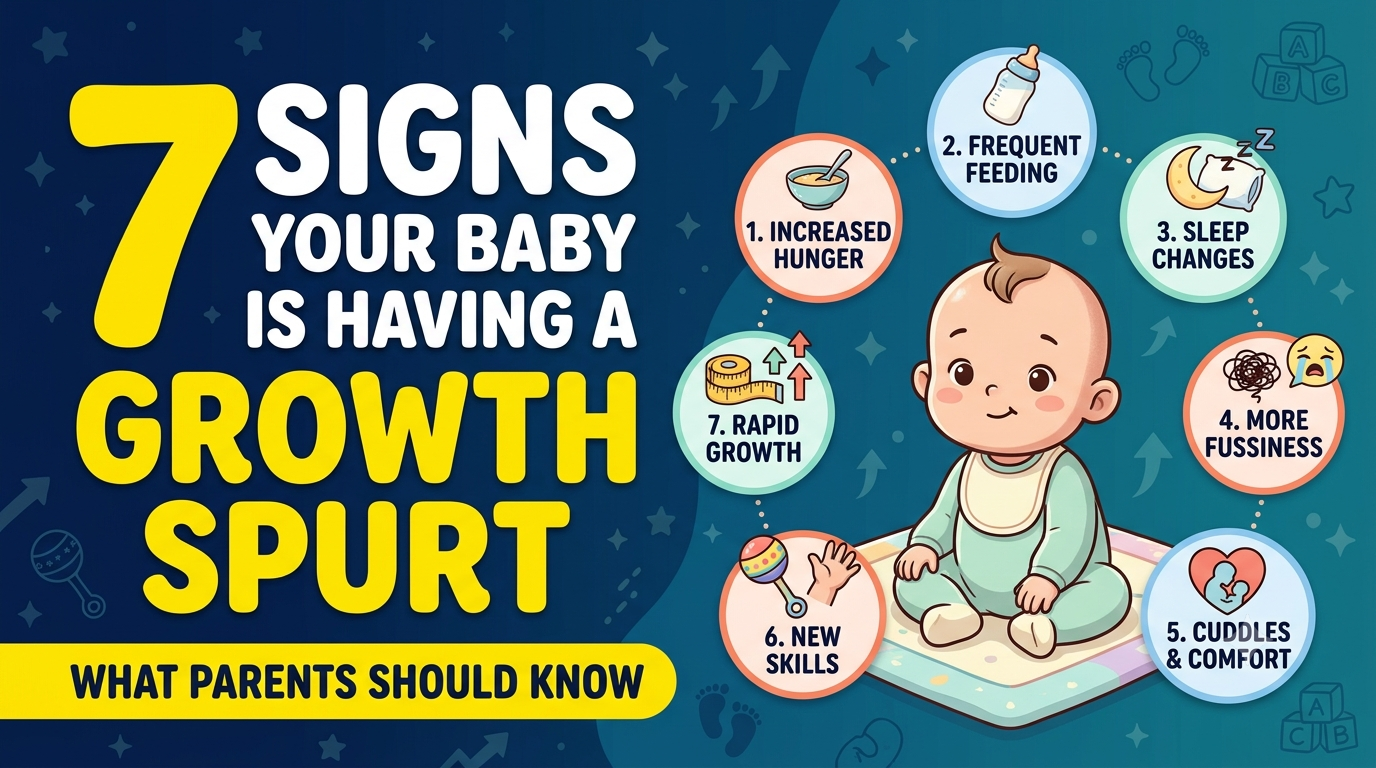
7 Signs Your Baby Is Having a Growth Spurt (And What Parents Should Know)
Does your baby suddenly seem hungrier than usual? Are they waking up more often at night, asking for extra cuddles, or becoming unusually fussy?
If you've noticed these changes, you might be wondering what's going on.
Sometimes, babies go through periods of faster growth and development called growth spurts. During these times, their feeding habits, sleep patterns, and behaviour may change for a little while.
Recognising the signs your baby is having a growth spurt can help you understand what your little one might need. One day, your baby may seem perfectly settled, and the next, they want to feed every hour. Sound familiar?
In this guide, we'll look at 7 common signs your baby is having a growth spurt, why these changes happen, and how you can make this stage a little easier for both of you.
Remember, every baby is different. These signs can suggest a growth spurt, but they don't confirm one on their own.
Table of Contents
What Is a Baby Growth Spurt?
A baby growth spurt is a period when your little one grows more quickly than usual.
During the first year, babies grow rapidly. Their bodies become bigger, their brains develop, and they gradually learn new skills.
Sometimes, you may notice temporary changes in their behaviour and daily routine during these periods.
For example:
-
Your baby wants milk more frequently.
-
They become fussier than usual.
-
Their sleep routine suddenly changes.
-
They want to be held more often.
-
They wake up for extra night feeds.
Not every baby shows all these signs, and some growth spurts may happen without obvious behavioural changes.
Also, growth and development don't always happen together. A baby may learn a new skill without having a noticeable physical growth spurt.
7 Signs Your Baby Is Having a Growth Spurt
Let's look at the common changes parents may notice during a baby's growth spurt.
1. Increased Hunger
<text> </text>
Does your baby seem hungry again just after finishing a feed?
Increased hunger is one of the common signs parents notice during periods of rapid growth.
Your little one may:
-
Want milk more frequently.
-
Feed for longer than usual.
-
Show hunger cues sooner.
-
Seem less satisfied with their usual feeding schedule.
If you're breastfeeding, you might notice your baby wanting to nurse more often. This is sometimes called cluster feeding.
Frequent feeding can also help stimulate milk production as your baby's needs change.
What can you do?
Follow your baby's hunger and fullness cues rather than sticking rigidly to the clock. If you're concerned that your baby isn't getting enough milk, speak with your healthcare provider.
2. More Fussiness
Your usually happy baby may suddenly become cranky, restless, or difficult to settle.
You might notice:
-
More crying than usual.
-
Difficulty settling after feeding.
-
Becoming frustrated easily.
-
Wanting extra attention.
Changes in feeding, tiredness, and normal development can all affect your baby's mood.
What can you do?
Try keeping things calm and comfortable.
Gentle rocking, talking softly, cuddling, or a quiet feeding environment may help your baby settle.
Remember, fussiness isn't always caused by a growth spurt. If crying is unusual, persistent, or accompanied by other symptoms, check with your baby's doctor.
3. Changes in Sleep Patterns
Just when you think your baby has settled into a routine, their sleep may suddenly change!
During periods of development, some babies may:
-
Wake up more frequently.
-
Take shorter naps.
-
Have difficulty settling.
-
Sleep longer at certain times.
However, sleep changes are not a reliable sign of a growth spurt on their own. Teething, illness, changes in routine, and new developmental skills can also affect sleep.
What can you do?
Try maintaining a familiar bedtime routine.
A warm bath, a quiet room, gentle cuddles, and a consistent bedtime sequence may help your baby relax.
Always follow safe sleep recommendations: place your baby on their back on a firm, flat sleep surface without loose blankets, pillows, or soft toys.
4. Increased Clinginess
Has your baby suddenly become your little shadow?
They may want to be held more often, become upset when you move away, or prefer staying close to familiar people.
This can happen during normal developmental changes, particularly as babies become more aware of their surroundings and relationships.
Sometimes, what looks like extra clinginess may also be related to separation anxiety, which commonly develops during infancy.
What can you do?
Give your baby extra affection and reassurance.
Try:
-
Holding and cuddling them.
-
Talking in a gentle voice.
-
Playing simple games together.
-
Staying nearby while they explore.
Your baby isn't trying to make your day harder. They're communicating that they need comfort and reassurance.
5. More Frequent Night Feeds
If your baby suddenly starts waking up more often for milk, you may wonder whether they're going through a growth spurt.
Some babies do increase their feeding frequency during periods of increased appetite.
You may notice:
-
Waking up hungry more often.
-
Taking additional feeds overnight.
-
Feeding for longer during night wakings.
-
Wanting comfort and milk together.
What can you do?
Respond to genuine hunger cues and offer feeds when needed.
If your baby is breastfeeding, feeding more frequently may help your milk supply adjust to their needs.
Avoid assuming every night waking means hunger. Babies also wake for comfort, developmental reasons, or because they're unwell.
6. Seeking More Comfort
Sometimes, your baby doesn't seem particularly hungry or sleepy. They simply want you!
You may notice your little one:
-
Wanting extra cuddles.
-
Settling more easily in your arms.
-
Becoming upset when put down.
-
Seeking comfort through feeding or physical closeness.
Physical affection and familiar voices can help babies feel safe and secure.
What can you do?
Give your baby the reassurance they're asking for.
You can try:
-
Gentle cuddles.
-
Soft singing.
-
Skin-to-skin contact when appropriate.
-
Quiet time together.
-
Gentle rocking while you're awake.
And don't feel guilty about giving your baby extra attention. Responding to their needs is an important part of building a secure relationship.
7. Noticeable Physical Growth
This is the most direct sign of a growth spurt!
You might notice that:
-
Your baby's clothes suddenly feel tighter.
-
Their arms and legs look a little longer.
-
They seem to have outgrown their previous size.
-
Their weight or length has increased at a check-up.
However, physical growth can be gradual and isn't always easy to notice from one day to another.
That's why healthcare providers use regular measurements of weight, length, and head circumference to follow a baby's growth over time.
What can you do?
Keep attending your baby's routine health check-ups and discuss their growth chart with your healthcare provider.
Try not to compare your baby's size with another child. Babies grow at different rates, and their overall growth pattern matters more than one measurement.
When Do Babies Usually Have Growth Spurts?
Many parents hear that growth spurts happen at specific ages, but there's no exact schedule that applies to every baby.
You may come across commonly mentioned periods around:
-
2–3 weeks.
-
6 weeks.
-
3 months.
-
6 months.
-
9 months.
These are general observations, not medically fixed growth-spurt dates.
Some babies experience noticeable changes around these ages, while others don't.
Your baby's appetite, sleep, and development can also change for reasons unrelated to physical growth.
Instead of following a strict calendar, pay attention to your baby's individual needs and regular growth measurements.
How to Support Your Baby During a Growth Spurt
If your baby seems hungrier, fussier, or more clingy than usual, a few simple changes can make everyday life easier.
Here are some practical things you can try.
1. Follow Your Baby's Hunger Cues
Offer milk when your baby shows signs of hunger.
Avoid forcing them to finish a bottle or sticking rigidly to feeding times if they're showing different needs.
2. Offer Extra Comfort
Some days, your baby may need more cuddles than usual.
Hold them, talk softly, sing songs, and give them time to settle.
3. Keep a Familiar Routine
Even when your baby's behaviour changes, familiar daily routines can provide comfort.
Try keeping feeding, bedtime, and playtime as predictable as possible while remaining flexible.
4. Make Time for Rest
Babies need plenty of sleep for healthy growth and development.
Look for tiredness cues and offer opportunities to rest.
Remember to follow safe sleep practices every time.
5. Look After Yourself Too
This stage can be tiring, especially when your baby wakes frequently at night.
Ask your partner or family members for help when possible.
Take breaks, eat regularly, drink enough water, and rest whenever you can.
You don't have to manage every difficult moment alone.
When Should You Be Concerned?
Most changes in feeding, sleep, and behaviour are temporary, but it's important not to assume every unusual symptom is caused by a growth spurt.
Contact your baby's healthcare provider if you notice:
-
Poor feeding or refusing several feeds.
-
Fewer wet diapers than usual.
-
Poor weight gain.
-
Persistent or unusual crying.
-
Repeated vomiting or diarrhoea.
-
Unusual sleepiness or difficulty waking.
Important: A temperature of 38°C (100.4°F) or higher in a baby younger than three months needs immediate medical assessment. Seek urgent medical care.
If your baby has difficulty breathing, turns blue, or is unusually unresponsive, seek emergency help.
It's always okay to contact your baby's doctor when something doesn't feel right.
Frequently Asked Questions About Baby Growth Spurts
1. How Do I Know If My Baby Is Having a Growth Spurt?
You may notice increased hunger, more frequent feeding, fussiness, changes in sleep, and a greater need for comfort. Physical growth can also become noticeable over time. However, these signs aren't proof of a growth spurt.
2. How Long Does a Baby Growth Spurt Last?
There isn't one fixed duration. Changes in feeding and behaviour may last a few days or longer, depending on the baby. If symptoms persist or you have concerns about feeding or growth, speak with your healthcare provider.
3. Do Babies Sleep More During Growth Spurts?
Some babies may sleep longer, while others wake more frequently or take shorter naps. Sleep patterns vary, and changes can also be related to developmental stages, teething, illness, or changes in routine.
4. Should I Feed My Baby More During a Growth Spurt?
Follow your baby's hunger and fullness cues. Breastfed babies may want to nurse more frequently, while bottle-fed babies may show changes in their feeding needs. If you're unsure how much milk your baby needs, ask your healthcare provider.
Final Thoughts: Follow Your Baby's Little Signals
Watching your baby grow is one of the most beautiful parts of parenting, but it can also come with plenty of questions.
One day, your little one may be feeding happily and sleeping peacefully. The next, they might want extra milk, more cuddles, and a little more attention.
These changes can sometimes be associated with growth and development.
The important thing is to stay flexible, respond to your baby's needs, and remember that every child follows their own growth pattern.
You don't need to have everything figured out.
Some days, extra feeding and cuddles are all your baby needs. And that's okay!
Little changes today, big growth over time. ❤️