7 Meaningful Activities to Raise Awareness for Albinism in Schools
by Digyfindy
Tags:
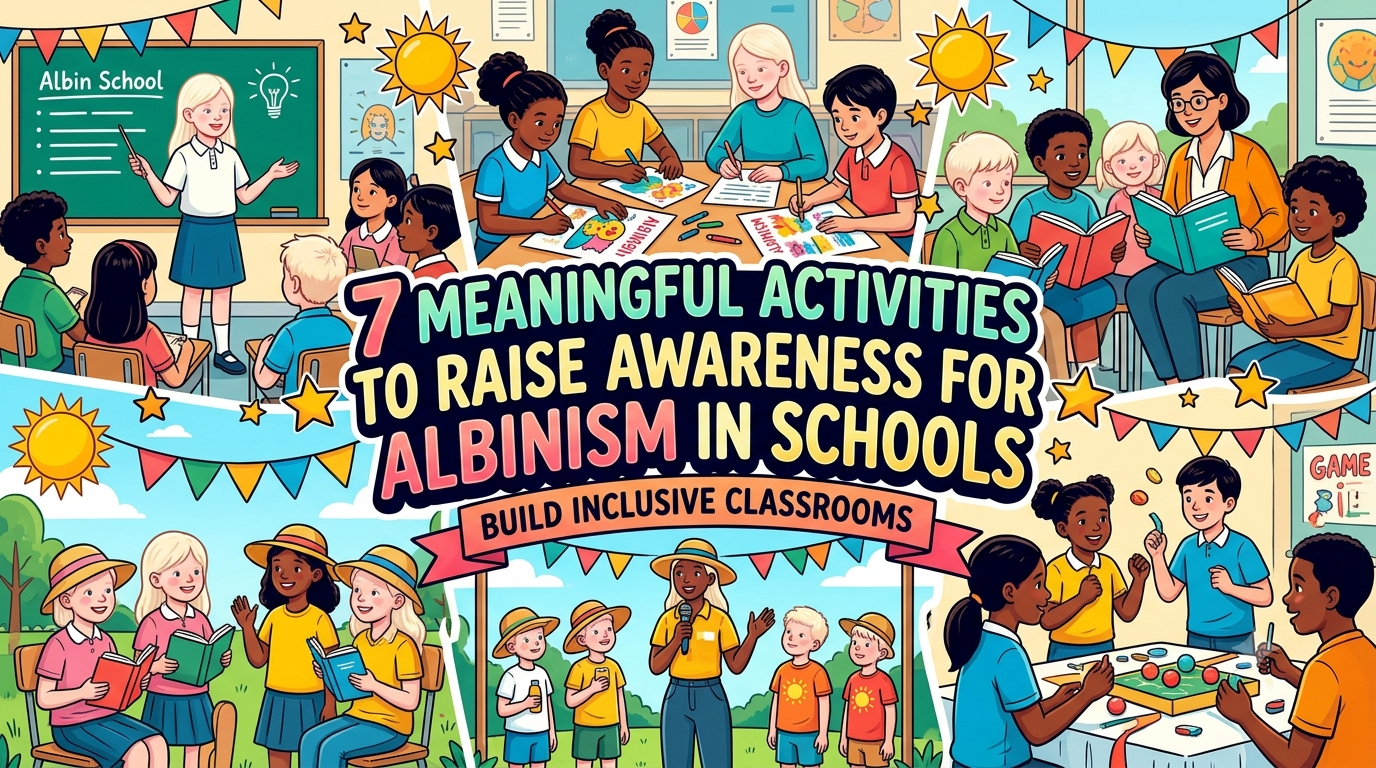
Schools play an important role in helping students understand diversity, inclusion, and respect. One way to support these values is by recognizing International Albinism Awareness Day on June 13.
Many children have never learned what albinism is. As a result, myths, misunderstandings, and even bullying can occur. The good news is that teachers don't need complicated lesson plans to make a positive impact.
These simple and meaningful activities can help students learn about albinism while building empathy, kindness, and awareness in the classroom.
The Goals of Albinism Education in the Classroom
Before planning activities, it's helpful to understand the purpose of albinism education.
Albinism is a genetic condition that affects the production of melanin, the pigment responsible for coloring skin, hair, and eyes. People with albinism often have vision challenges and need extra protection from the sun.
Classroom discussions should focus on:
- Understanding what albinism is
- Respecting physical differences
- Reducing myths and misconceptions
- Promoting inclusion and kindness
- Preventing bullying and discrimination
- Learning about accessibility needs
The goal isn't to make students feel sorry for people with albinism. Instead, it's about helping them understand that everyone deserves respect and equal opportunities.
Low-Prep Classroom Activities for June 13th
The following activities require minimal preparation and can work in elementary, middle, or high school settings.
Activity 1: The Science of Melanin (A Simple Genetics Lesson)
Many students are curious about why people look different. This activity uses basic science to explain albinism.
Start by teaching students about melanin and its role in:
- Skin color
- Hair color
- Eye color
- Protection from sunlight
Explain that people with albinism produce little or no melanin because of inherited genetic changes.
You can create a simple chart showing different levels of melanin found naturally among people around the world.
This lesson helps students understand that albinism is a genetic condition—not something contagious or unusual to fear.
Activity 2: The "Diverse Shades" Group Handprint Mural
This creative activity encourages students to celebrate human diversity.
Materials needed:
- Large poster paper
- Washable paint or colored paper
- Markers
Ask each student to create a handprint using a shade that represents human skin tones.
Once all handprints are added, write a message in the center such as:
- "Different Shades, One Community"
- "Every Person Belongs"
- "Celebrate Diversity"
Display the mural in a hallway or classroom during Albinism Awareness Day.
This visual reminder reinforces the idea that differences make communities stronger.
Activity 3: Spotlight on Famous Historical and Modern Figures with Albinism
Representation matters.
Many students are surprised to learn that people with albinism have succeeded in sports, entertainment, education, activism, and public service.
Divide students into groups and assign each group a person with albinism to research.
Students can create:
- Mini posters
- Slideshows
- Short presentations
- Biography cards
This activity helps shift the conversation away from limitations and toward achievements.
Building Empathy: Understanding Low Vision and Sun Safety Challenges
Many people with albinism experience low vision and increased sensitivity to sunlight.
Helping students understand these challenges can encourage empathy and support.
Activity 4: The Low-Vision Reading Exercise (Empathizing with Accommodations)
This activity demonstrates how visual impairments can affect learning.
Create reading worksheets using:
- Smaller font sizes
- Reduced contrast
- Slightly blurred text
Ask students to complete the exercise and then discuss:
- What was difficult?
- How did it feel?
- What accommodations would help?
Then introduce common classroom accommodations used by students with low vision:
- Large-print materials
- Front-row seating
- Digital learning tools
- Magnification devices
The goal is not to simulate disability perfectly but to help students appreciate why accommodations matter.
Activity 5: Creating Outdoor Sun-Safe Stations for the Playground
People with albinism are particularly vulnerable to sun damage because their skin lacks sufficient melanin protection.
Students can work together to identify ways to make outdoor spaces safer.
Ideas include:
- Creating shaded rest areas
- Designing sunscreen reminder posters
- Developing sun-safety awareness campaigns
- Mapping cooler areas on the playground
This activity combines health education with practical problem-solving.
Activity 6: Kindness and Inclusion Pledge Wall
Ask students to write one action they can take to make school more inclusive.
Examples:
- "I will include everyone in group activities."
- "I will speak up against bullying."
- "I will respect people's differences."
- "I will be kind to new students."
Display these pledges on a classroom bulletin board.
The wall serves as an ongoing reminder that inclusion is everyone's responsibility.
Activity 7: Myth vs Fact Awareness Challenge
Create a simple quiz game where students separate myths from facts.
Examples:
| Statement | Myth or Fact |
|---|---|
| Albinism is contagious. | Myth |
| Albinism is a genetic condition. | Fact |
| People with albinism can participate in sports. | Fact |
| Everyone with albinism has exactly the same vision. | Myth |
Students often remember information better when learning is interactive.
Essential Albinism Myth-Busting Sheet for Teachers
Teachers may encounter questions from students during awareness activities. Having accurate information ready can help.
| Myth | Reality |
|---|---|
| Albinism is contagious. | No. It is a genetic condition and cannot be spread from person to person. |
| People with albinism cannot live normal lives. | People with albinism can study, work, play sports, and achieve success in many fields. |
| All people with albinism look exactly alike. | Appearance varies widely depending on genetics and background. |
| People with albinism are completely blind. | Most have low vision, but the severity varies from person to person. |
| Albinism only affects skin color. | It can also affect vision and increase sensitivity to sunlight. |
Addressing myths directly helps students replace misinformation with facts.
Final Thoughts
Raising awareness about albinism doesn't require complicated programs or expensive materials. Simple classroom discussions, creative projects, empathy-building exercises, and myth-busting activities can make a lasting impact.
By celebrating International Albinism Awareness Day on June 13, schools can help students better understand diversity, challenge stereotypes, and build more inclusive communities.
Sometimes a single lesson can change how a student views another person for the rest of their life. That's why awareness matters—and why small educational activities can make a big difference.